

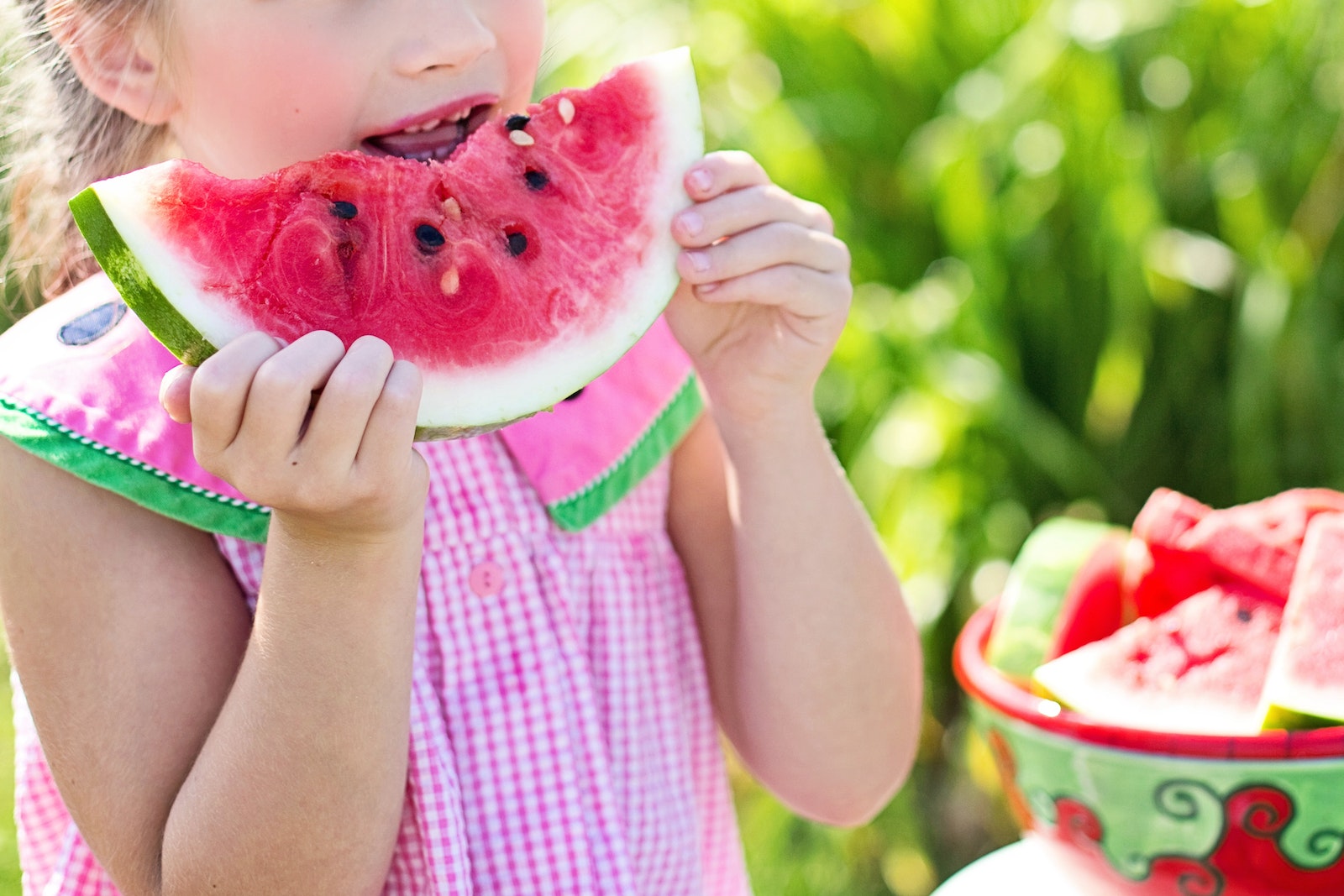
Encouraging healthy eating habits in toddlers and young children can be a challenge for many parents. Young children can be picky eaters and may prefer foods that are high in sugar, salt, and fat. However, it is important to encourage healthy eating habits from an early age to promote overall health and prevent future health problems. In this blog post, we will provide some tips for encouraging healthy eating habits in toddlers and young children.
1. Offer a variety of foods
One of the most important things you can do to encourage healthy eating habits in toddlers and young children is to offer a variety of foods. Offer a range of fruits, vegetables, whole grains, lean proteins, and healthy fats. This will expose your child to different tastes and textures and help them develop a well-rounded palate. Encourage your child to try new foods, but don’t force them to eat something they don’t like. It may take several tries before your child accepts a new food.
2. Make healthy foods fun
Young children are more likely to eat healthy foods if they are presented in a fun and creative way. Cut fruits and vegetables into fun shapes, make smiley faces with healthy toppings on whole-grain bread, or serve a rainbow of colorful fruits and vegetables. You can also involve your child in the preparation of meals, such as letting them help stir ingredients or decorate a healthy snack.
3. Set a good example
Children learn by example, so it is important to set a good example when it comes to healthy eating habits. Eat a variety of healthy foods yourself and make healthy choices when dining out or snacking. Avoid using food as a reward or punishment and avoid commenting on your own weight or body shape. Instead, focus on the health benefits of healthy eating and how good it makes you feel.
4. Stick to a schedule
Establishing regular meal and snack times can help your child develop healthy eating habits. Stick to a schedule for breakfast, lunch, dinner, and snacks, and try to make meals a pleasant and relaxed time. Avoid distractions such as screens or toys during mealtime, and encourage your child to focus on their food and enjoy the flavors and textures.
5. Limit sugary and processed foods
Sugary and processed foods are high in calories and low in nutrients, and can contribute to obesity and other health problems. Limit your child’s intake of sugary drinks, candy, cookies, chips, and other junk foods. Instead, offer healthy snacks such as fresh fruit, vegetables with hummus, yogurt with granola, or whole-grain crackers with cheese.
6. Don’t force your child to eat
Forcing your child to eat can create negative associations with food and make mealtime a stressful experience. Instead, offer healthy foods and allow your child to choose what they want to eat. Encourage your child to listen to their body and stop eating when they feel full.
7. Encourage water and milk
Water and milk are the healthiest beverages for young children. Encourage your child to drink water throughout the day and offer milk with meals. Avoid sugary drinks such as juice, soda, and sports drinks, which are high in calories and low in nutrients.
8. Get creative with healthy snacks
Healthy snacks can be just as fun and tasty as junk food if you get creative. Offer healthy dips such as hummus or guacamole with vegetable sticks, make fruit skewers or smoothie bowls, or try making homemade granola bars or energy balls. Encourage your child to get involved in snack time and let them help choose and prepare healthy snacks.
9. Be patient
Encouraging healthy eating habits in toddlers and young children can be a slow process. It may take several tries before your child accepts a new food, and they may go through phases where they refuse anything unfamiliar.