

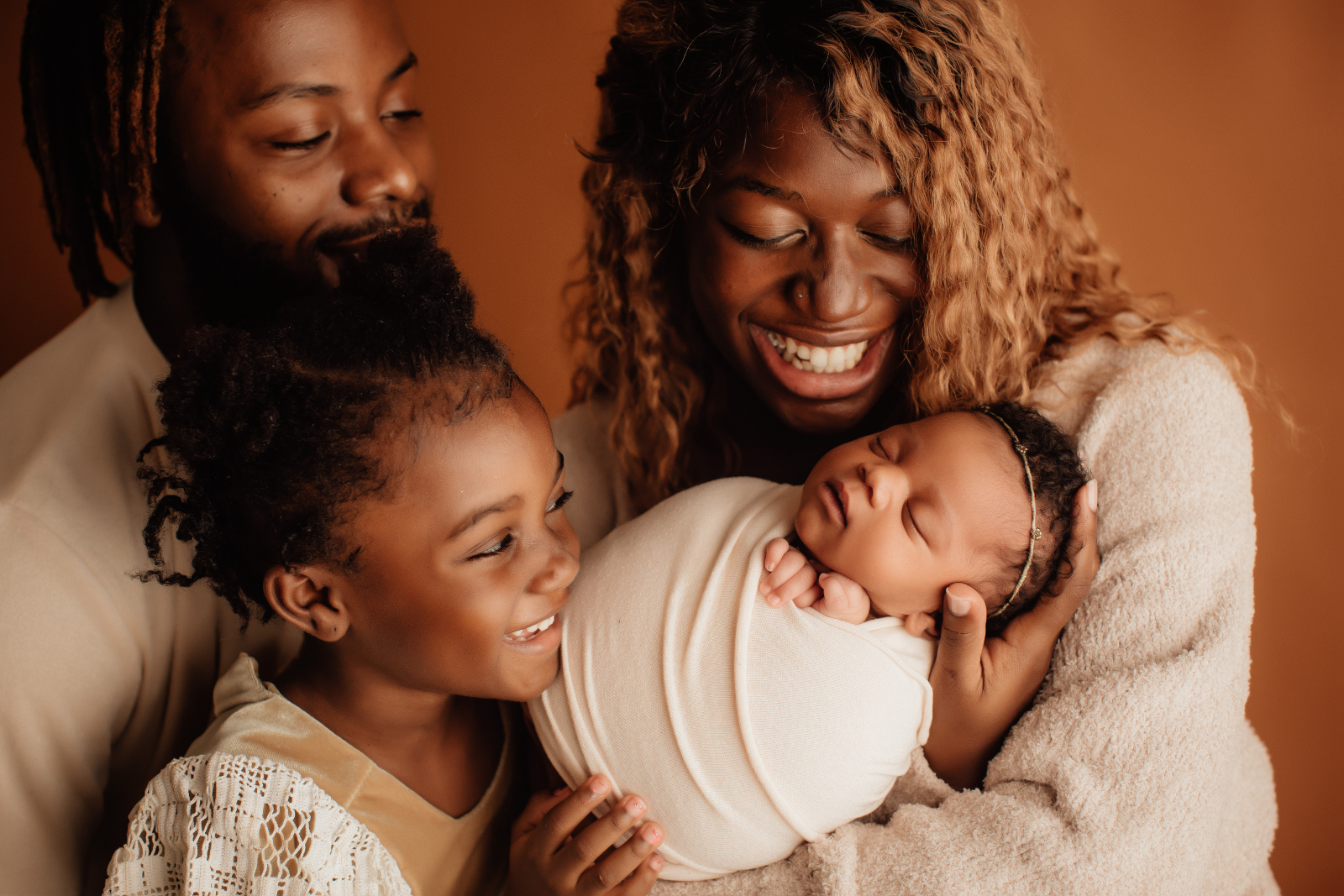
Preparing Your Preschooler for a New Sibling
Understanding Preschool Child Behavior During Transitions
Preschool Child Behaviour: A Closer Look
Before diving into strategies to prepare your child for a new sibling, let’s delve into common behavioural changes you might observe. Preschool children, eager for attention, may resort to regressive behaviours. This could manifest in various ways, such as toilet training regression, bed wetting, pants wetting, or acting younger than their age. These actions are often attempts to compete with the new sibling and reclaim the attention of their parents.
The Role of a Local Preschool in Managing Behaviour
A reputable local preschool like Stepping Out acknowledges the unique challenges that arise during transitions in a child’s life. Our experienced educators understand the importance of addressing and managing regressive behaviours, providing a supportive environment that nurtures your child’s emotional well-being.
Strategies for a Smooth Transition
Open Communication: Key to Coping
The first step in preparing your preschooler for a new sibling is fostering open communication. Engage your child in age-appropriate discussions about the upcoming changes in the family. Use simple language to explain the concept of a new baby brother or sister, emphasising the positive aspects of growing as a family.
Establishing Routine: Stability Amidst Change
Preschoolers thrive on routine, and maintaining a stable daily schedule can help ease the transition. Reinforce consistent bedtime rituals and mealtimes. At Stepping Out Preschool, our structured programs provide a sense of stability, fostering a secure environment for your child to navigate through the changes at home.
Involving Your Preschooler: Encouraging Independence
Empower your child by involving them in age-appropriate tasks related to the new sibling. This could include selecting baby items, helping prepare the nursery, or being part of gentle caregiving activities. By fostering a sense of responsibility, your child may feel a positive connection to the new family member.
Positive Reinforcement: Celebrate Achievements
Acknowledge and celebrate your preschooler’s milestones and achievements, no matter how small. Positive reinforcement can boost their self-esteem and help them cope with the changes. At Stepping Out Preschool, our educators are trained to recognise and applaud each child’s accomplishments, promoting a positive learning environment.
The Role of Stepping Out Preschool in Supporting Your Child
Tailored Approaches: Recognising Individual Needs
At Stepping Out, we recognise that each child is unique, and our educators tailor approaches to meet individual needs. If regressive behaviors arise, our team is equipped to address them with patience and understanding, creating an environment where your child feels valued and secure.
Communication Channels: Partnering with Parents
We believe in the power of collaboration between parents and educators. Our open communication channels ensure that any concerns or observations about your child’s behavior are addressed promptly. By working together, we can provide consistent support during this crucial transition.
Building Social Skills: Peer Interaction at Stepping Out Preschool
Engaging with peers can be beneficial for preschoolers facing changes at home. At Stepping Out, we foster a positive social environment where children can interact, share experiences, and build friendships. These interactions contribute to the development of essential social skills, enhancing your child’s ability to navigate transitions effectively.
Nurturing Resilience in Preschoolers
In conclusion, preparing your preschooler for a new sibling involves proactive communication, stability through routine, and positive reinforcement. Choosing a local preschool like Stepping Out ensures that your child receives the necessary support during this transitional period. By understanding and addressing regressive behaviours, both at home and in the preschool setting, you can nurture resilience in your preschooler and pave the way for a harmonious family dynamic.