

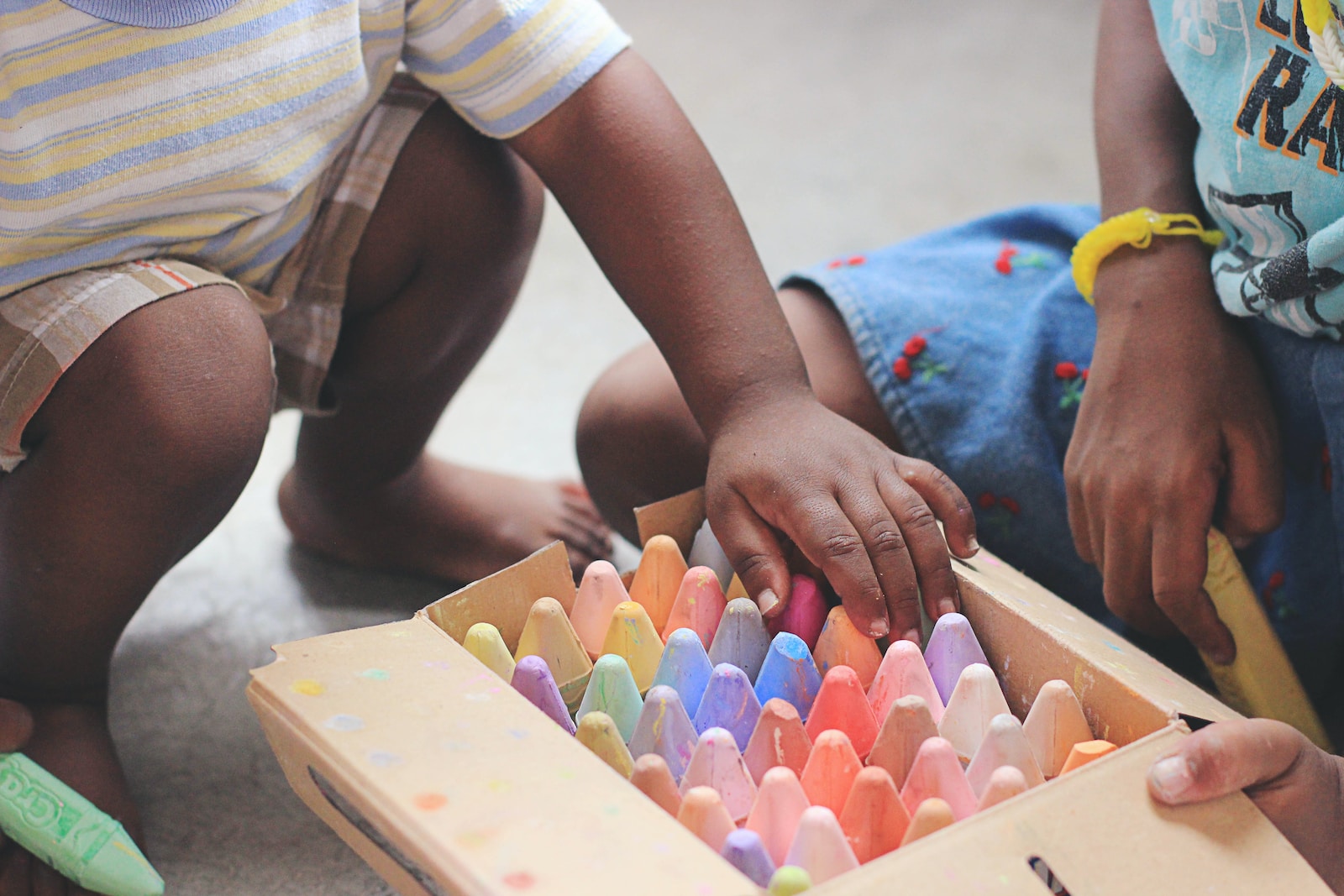
Sending your child off to preschool for the first time can be an emotional experience for both parents and children alike. It’s a significant milestone in your child’s life, and it’s natural to feel anxious or apprehensive about it. But there are steps you can take to prepare your child for their first day at pre school and ease the transition.
Here are some tips on how to prepare your child for their first day at preschool:
1. Start talking about pre school in advance
It’s important to talk to your child about pre school before their first day. You can start by mentioning it casually in conversation, such as “When you start preschool, you’ll get to play with lots of toys and make new friends.” As your child gets closer to their first day, you can talk more specifically about what they can expect, such as the routine, activities, and rules. Be sure to keep a positive attitude and avoid saying things like “I’ll miss you too much” or “I don’t want to leave you.”
2. Arrange a visit
Many preschools offer the opportunity for children and parents to visit before the first day. This can be a great way to familiarize your child with the setting and meet the staff. During the visit, encourage your child to explore the preschool and ask any questions they might have. Take note of any activities or areas that your child seems particularly interested in, as this can help them feel more comfortable on their first day.
3. Read books about starting pre school
There are many children’s books that deal with the topic of starting preschool. Reading these books with your child can help them understand what to expect and feel more prepared. Some popular titles include “The Kissing Hand” by Audrey Penn, “Llama Llama Misses Mama” by Anna Dewdney, and “I Love You All Day Long” by Francesca Rusackas.
4. Practice separation
For many children, the idea of being separated from their parents can be overwhelming. Practicing separation before the first day can help them feel more comfortable with the idea. You can start by leaving your child with a trusted caregiver for short periods of time, such as a grandparent or family friend. As they become more comfortable with separation, you can gradually increase the length of time you’re away.
5. Establish a routine
Establishing a routine can help your child feel more secure and prepared for preschool. This can include a consistent bedtime, mealtimes, and playtime. You can also create a visual schedule with pictures or symbols that your child can understand. This can help them anticipate what’s coming next and feel more in control.
6. Label belongings
Labeling your child’s belongings, such as their backpack, water bottle, and clothing, can help prevent mix-ups and ensure that everything goes home with the right child. This can also help your child feel more independent and responsible for their own things.
7. Pack a comfort item
Many children have a comfort item, such as a stuffed animal or blanket, that helps them feel safe and secure. Packing this item in their backpack can provide a source of comfort on their first day at preschool.
8. Stay positive and calm
Children can pick up on their parent’s emotions, so it’s important to stay positive and calm during the transition to pre school. Even if you’re feeling anxious or nervous, try to project a sense of confidence and enthusiasm. This can help your child feel more excited and optimistic about their first day.
In conclusion, preparing your child for their first day at preschool can take time and effort, but it’s worth it to help them feel comfortable and confident. By talking to your child about preschool, arranging a visit, reading books, practicing separation, establishing a routine, labeling belongings, packing a comfort item, and staying positive and calm, you are giving them the best possible start on the educational journey.